|
BRAIN
TEASER
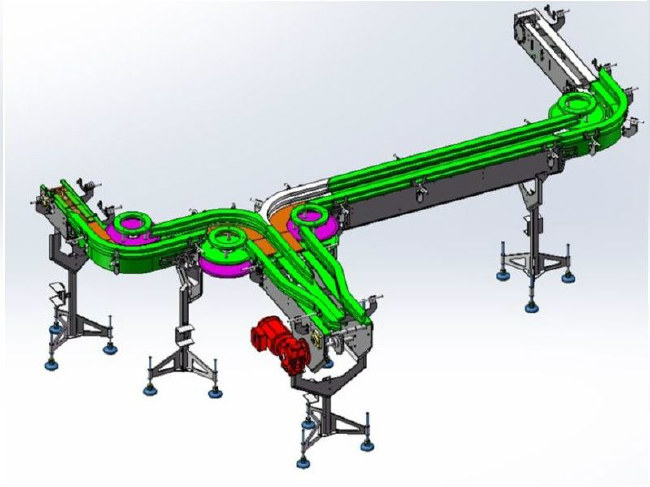
Conveyor
Merge
A conveyor
merge has two infeeds (Left,
Right) feeding one takeaway.
Sensors show:
- Left produces a carton
every 20 seconds
- Right produces a carton
every 30 seconds
- Both start at the same
moment.
At what
times will cartons arrive
simultaneously at the merge?
See
Answer Here
|
|
|
SEE
WHATS
TRENDING
Bulk
Material Handling
Equipment
2026
and Beyond
|
|
|
The
bulk material handling
industry is undergoing
significant
transformation, driven
primarily by
technological
advancements and
environmental concerns.
As the industry moves
towards smarter, more
integrated, and
environmentally
conscious operations,
the most prominent
trends
include increased automation
and robotics, pervasive
use of IoT (the
internet of things),
data analytics, and a
strong focus
on sustainability.
|
|
|
Automation
and Robotics
-
Autonomous
Systems: Automated
Guided Vehicles
(AGVs) and
Autonomous Mobile
Robots (AMRs) are
becoming standard in
warehouses for
transporting
materials with
minimal human
intervention.
Robotic arms are
increasingly used
for precise and
repetitive tasks
like picking,
packing, and
palletizing.
|
|
|
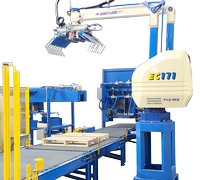
CHANTLAND
EC-102
ROBOTIC
PALLETIZER
|
|
|
IoT,
AI, and Data-Driven
Operations
-
Connectivity: The
Internet of Things
(IoT) uses smart
sensors to collect
real-time data on
equipment
performance,
material location,
temperature, and
humidity. This
provides
unprecedented
transparency across
the supply
chain.
|
|
|
AI
& Analytics for
Process
Optimization
AI
is increasingly embedded
in material
handling:
-
Predictive
maintenance (predict
failures before they
occur).
-
Throughput
optimization
(balancing feed,
flow, and processing
equipment).
-
Quality
control analytics
tied to material
flow.
AI
tools use historical and
real-time sensor data to
improve efficiency and
reduce waste.
|
|
|
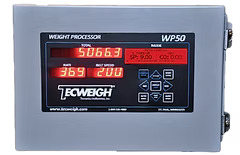
TECWEIGH
WP50 PROCESSOR
A
powerful, multi-purpose
controller designed for
use as a belt scale,
load-out, or feed
controller with
integrated PID
control.
|
|
Flexible
and Modular
Systems
Facilities
want flexibility for
evolving demand:
-
Modular
conveyors and
handling modules
that are easy to
reconfigure.
-
Quick-change
tooling on
packing/palletizing
stations.
-
Scalable
solutions that grow
with production
volumes.
This
helps companies adapt to
seasonal changes or
shifting product
mixes.
|
|
|
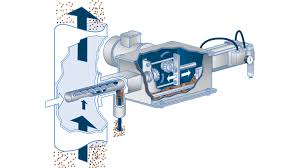
ISY
Sampling
systems (mechanical
rakes, rotary samplers,
etc.) designed to add to
existing lines.
Components are often
interchangeable
depending on material
and size.
|
|
Sustainability
& Energy
Efficiency
Sustainability
isn’t just a
buzzword—it’s a
requirement:
-
Energy-efficient
motors and drives on
conveyors and feeder
systems.
-
Low-emission
dust collection
systems (higher
filtration, reduced
leakages).
-
Reduced
waste & rework
through more
accurate flow
control.
-
Circular
process planning
that designs systems
for minimal material
loss.
Many
corporations include
sustainability metrics
in capital
projects.
|
|
|
Maximize
Uptime and
Safety
Your
Guide to Proactive
Maintenance for
Bulk
Material Handling
Equipment
|
|
|
In
the world of bulk
material handling,
efficiency and safety
are paramount. When
material flow stops, so
does production, leading
to costly delays. The
key to reliable
operation and extending
the lifespan of your
systems is a
comprehensive,
proactive preventive
maintenance
(PM) program. By
shifting from reactive
repairs to scheduled
inspections, you can
identify and address
potential issues long
before they cause major
downtime events.
Here
are the best practices
for maintaining the
diverse range of
equipment crucial to
your operations, from
pneumatic conveyors to
industrial
valves:
Foundational
Strategies for
Success
-
Establish
a PM
Schedule: Create
a consistent
schedule for
inspections and
service intervals,
adhering closely
to manufacturer's
recommendations for
specific components
and systems.
-
Prioritize
Cleanliness: Accumulated
dust, dirt, and
debris can cause
friction, wear, and
contamination. A
regular cleaning
schedule for
equipment exteriors
and surrounding
areas is essential
for identifying
issues early and
maintaining a safe
workplace.
-
Implement
Proper Training and
Documentation: Ensure
all employees are
trained on correct
equipment use and
safety procedures.
Maintain detailed
logs of all
maintenance
activities,
inspections, and
replaced parts to
track performance,
identify patterns,
and ensure
compliance.
Equipment-Specific
Maintenance
Insights
Pneumatic
Conveying & Dust
Control
These
systems rely on air
quality and pressure for
optimal
performance.
-
Monitor
Filters: Regularly
inspect air intake
and line filters for
contamination or
clogging. Clogged
filters lead to
pressure drops,
forcing the system
to work harder and
reducing
efficiency.
-
Check
for
Leaks: Air
leaks in joints,
connections, or
lines can cause a
significant loss in
efficiency and an
increase in
operating costs. Use
a foaming solution
to detect leaks
around potential
problem
areas.
-
Inspect
Control
Valves: Ensure
control valves
operate correctly
and check for
leakage through the
valve body or
exhaust
ports.
|
|
|
The
importance of having an
inspection/maintenance
program for your dust
collector cannot be
understated. Depending
on the issue, dust
collector down time
caused by maintenance
issues can be
catastrophic, costing a
company days– or even
weeks– of missed
production while making
repairs and/or waiting
on critical components
like filters to arrive.
Because of this, it’s
crucial to keep spare
parts on hand, conduct
daily monitoring, and
perform scheduled
maintenance on your dust
collectors.
|
|
|
|
Mechanical
Conveying & Handling
(Conveyors, Feeders,
Elevators)
Moving
parts require consistent
attention to reduce
friction and
wear.
-
Lubrication: Properly
grease all bearings,
idlers, pulleys, and
gearboxes with the
recommended
lubricant to reduce
friction and prevent
corrosion.
Over-lubrication can
attract
contaminants, so
follow guidelines
precisely.
-
Tension
&
Alignment: Check
and adjust belt or
chain tension
regularly. Incorrect
tension leads to
slippage, excessive
wear, or strain on
components. Verify
the alignment of all
components to
prevent uneven
wear.
-
Monitor
for Wear and
Noise: Listen
for unusual noises
or vibrations, which
often signal
underlying problems
like worn bearings
or misaligned
parts.
Valves
Valves
are critical control
points that demand
reliable
performance.
-
Visual
and Operational
Checks: Visually
inspect for external
corrosion, cracks,
or leaks.
Periodically test
functionality by
cycling the valve
open and closed to
verify smooth
operation and proper
sealing.
-
Seals
and
Gaskets: Assess
the integrity of
seals and packing
materials and
replace them as they
wear to prevent
leaks and ensure
consistent
performance.
By
implementing these
proactive measures, your
customers can ensure
their bulk material
handling equipment runs
reliably, safely, and
efficiently for years to
come.
|
|
|
|
|